Christmas magic for kids — Why children are allowed to dream again this season
For many families in New Zealand the run-up to December is a rush. Lists get longer. Days get busier. Still, there is a simple thing that can calm the noise: christmas magic for kids woven into ordinary nights. I mean small rituals that slow the pace and invite quiet wonder. A cup of warm milk, a short fairy story, or a soft glow on the wall can do more than decorate the room. It signals to a child that the world holds space for dreams. It tells their brain that it’s okay to imagine, to feel, and to make sense of big feelings in small scenes. You don’t need an elaborate show. A compact projector, a few story prompts, and a little time can create an evening they’ll remember. The aim is not to distract, but to create a safe frame where curiosity is welcome and worries can shrink. When you slow down and add a touch of visual magic, children feel held. They learn the rhythm of celebration without overstimulation. That gentle balance is the heart of why families pick up projection ideas year after year.
Why imagination matters for little hearts
Christmas can stir many feelings in children: excitement, longing, confusion. Christmas Magic for kids often gets thought of as presents and sparkles. Yet the deeper gift is the chance to practise feeling. Fantasy gives kids a low-risk space to try out emotions. When a child watches a tiny ship sail across a wall, they learn to hold surprise and calm at once. When you tell them a short story about a brave mitten or a curious star, they rehearse courage. Those rehearsals matter. They shape how children cope with unknowns, losses, and hopes. Experts say play and imagination are how kids process the world. Light and projections become tools in that process. A projected snowfield is not just pretty. It can become a stage for naming fear, joy, or longing. You can ask gentle questions afterwards: What would you do on that snowfield? Who would you bring? These tiny conversations build vocabulary for feelings. They teach kids that emotions can be shared and understood. That matters more than any toy. You are creating a habit: pause, imagine, reflect. That habit stays with them long after the season ends, helping with empathy and resilience. So think of the lights you set up as lessons in being human, rather than just decoration.
How light and projections create a safe story world
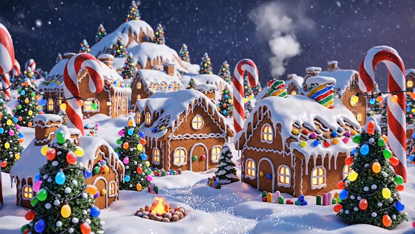
Christmas Magic for kids works best when it feels cozy and controllable. Bright, flashing displays can overwhelm. Soft, focused projections invite. The difference is like a whisper versus a shout. Projected scenes on a wall can set a scene without taking over. You can choose a calm palette: deep blues, warm ambers, gentle motion. When a scene loops slowly, a child can enter and exit without shock. That sense of control matters: kids learn they can step into a picture, explore, then step back. It reduces anxiety. In practice, you might beam slow-falling snow on a blank wall while you read a short tale. Or show a constellation that the child can name and add to with stickers later. Projections also support shared rituals. Siblings can point out shapes. Parents can pause to ask what they see. Those shared moments strengthen attachment. Importantly, you can scale the show to the child’s age. Toddlers benefit from simple shapes and slow motion. Older kids enjoy layered scenes and tiny narrative beats. The tech doesn’t need to be fancy. A compact projector, a dimmable lamp, and a few printable slides will do. The goal is to scaffold imagination, not replace the parent’s voice. When light and story work together, you give children a safe stage to practice wonder.
Practical, low-effort setups that spark awe
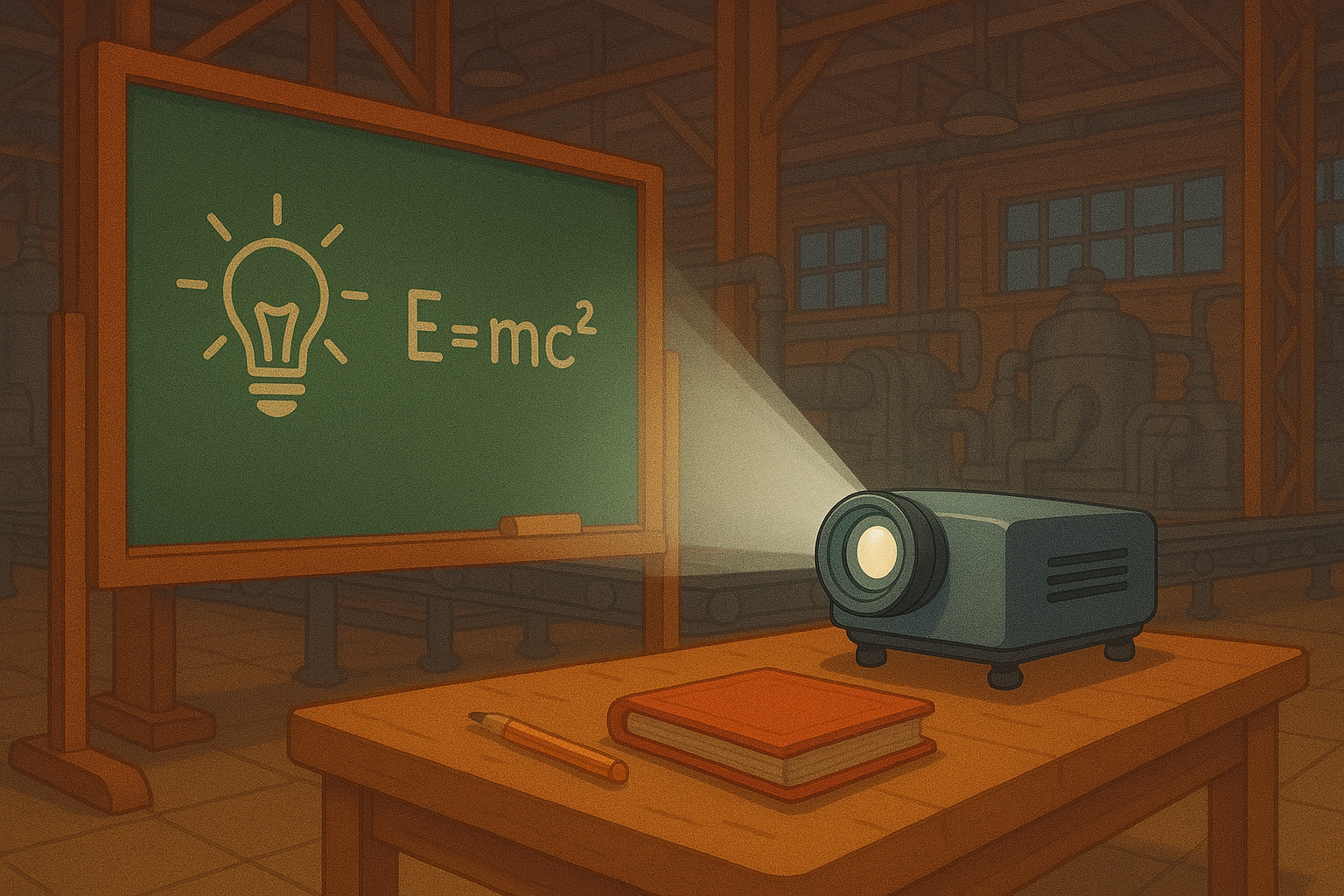
Christmas magic for kids doesn’t require a production team. You can set up meaningful moments with little time and money. Start with the corner of a living room or a bedroom wall. Use a small projector on a bookshelf or a stable box. Pick a short playlist of slides or simple looped animations: falling leaves, gentle stars, a sleepy village. Keep sound low or use a shared reading instead of background music. At bedtime, dim the main lights, invite the child to pick a scene, and settle in for a two- to five-minute story. Use tactile elements: a soft throw, a small stuffed friend, or a hot water bottle. These anchor the sensory experience. For families with multiple kids, rotate who picks the scene so each child feels seen. For adults who worry about screen time, remember this: the projection acts more like a nightlight with narrative intent than a screen to watch for hours. It supports imagination instead of replacing it. Try an easy craft: let kids cut star shapes from paper and stick them to the wall after a projection, building a physical memory of the light. These small rituals are repeatable and become part of your family’s holiday language.
Story ideas and questions that deepen the experience
Christmas Magic for kids grows when stories and light meet good questions. After a short projection and tale, ask simple prompts: What did you like most? What would you name that little house? Who would you visit there? These questions are not tests. They are invitations to expand the picture. Keep them open and curious. For shy kids, ask yes-or-no starters, then follow up gently. For older children, invite them to add a twist to the story or draw the scene afterward. You can create a small ritual of a family story jar. Each night a child drops a tiny idea in: a color, a character, a wish. Over the season you open the jar and see the shared imagination grow. That shared narrative becomes a form of emotional mapping. Kids learn that thoughts and feelings can be shaped and understood together. Parents get a window into what matters to their child that week. It’s quiet, but powerful. By combining short, soothing projections with friendly prompts, you help children build emotional language, confidence, and a sense of belonging. Those are gifts that last long beyond the holidays.
Popular projections